
Choosing Lighting
Today we are all aware of the vital role that well thought through lighting plays in our homes.

Understanding the role that daylight plays within our lives is critical when considering lighting and designing our homes. Until modern day life was dictated by the presence or absence of daylight. Our biological response to light, our circadian rhythm is hugely effected by the presence or absence of daylight.
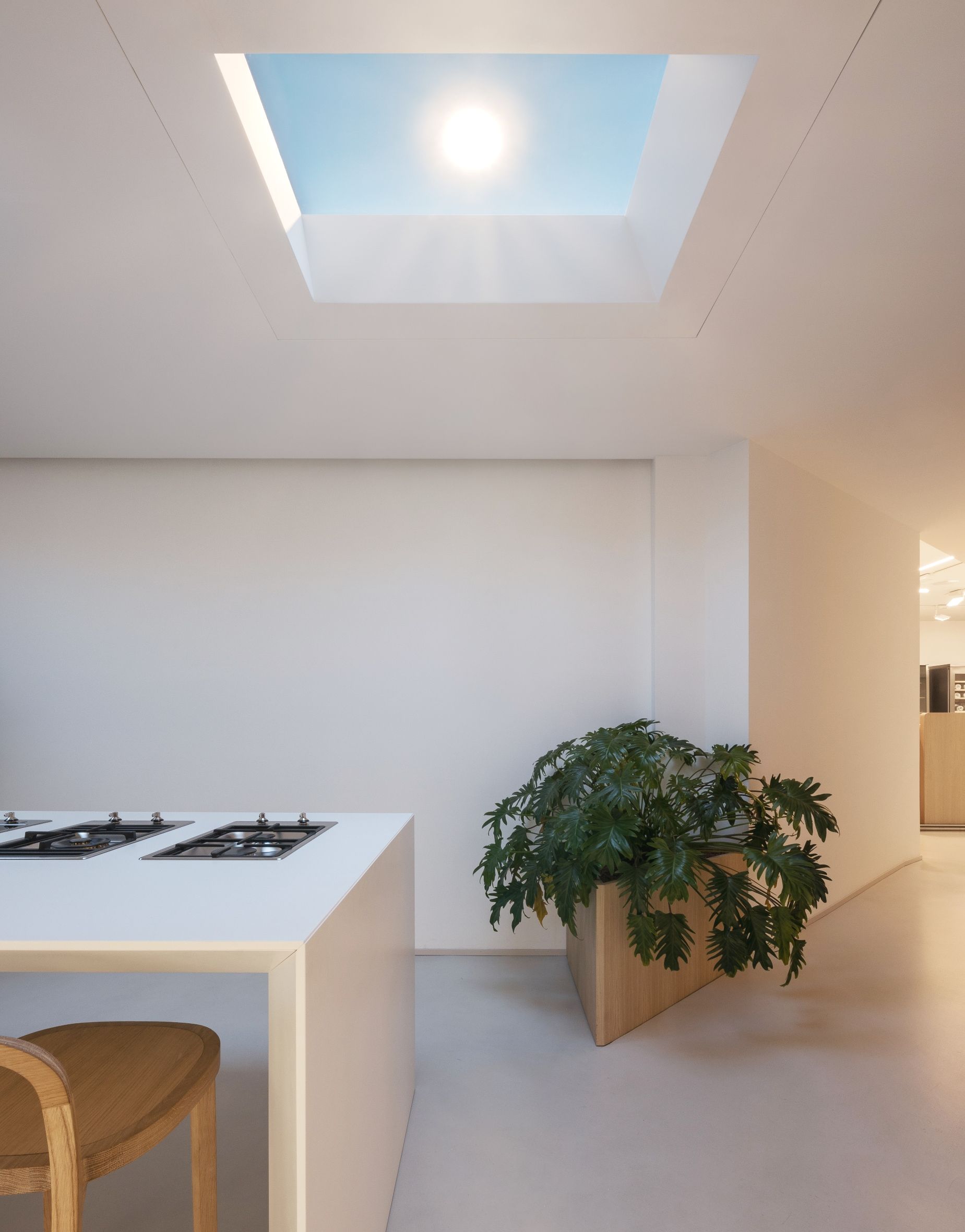 Lack of access to daylight can have a huge detrimental bearing on our physical and mental health, the introduction and development of artificial light has had the greatest impact on our lives over the last 100 years.
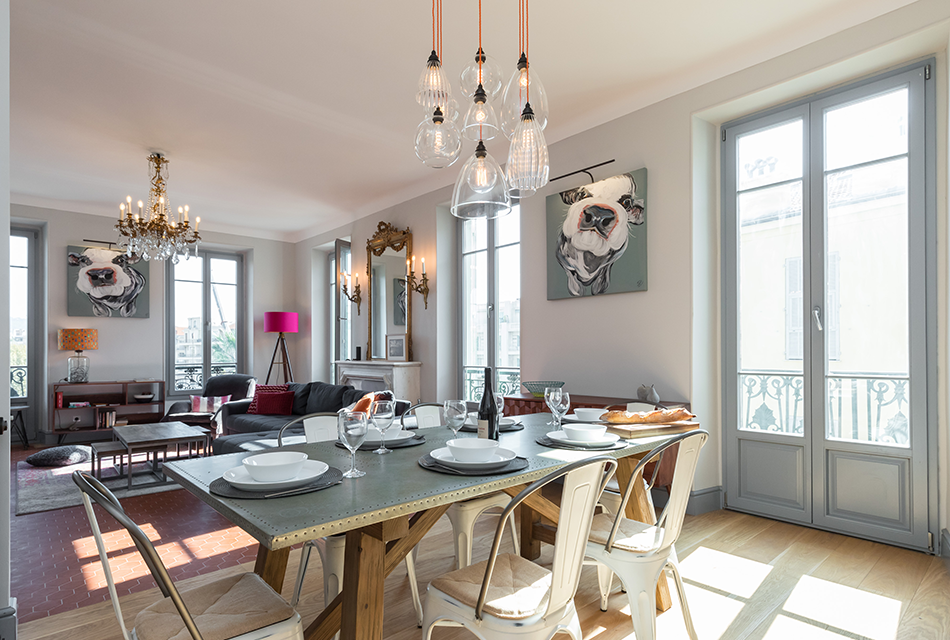 A holistic approach to lighting design will satisfy emotional and practical needs, prioritising our sense of well being. This being achieved by an understanding and appreciation of daylight and the orientation of the space in question. The impact that natural light has on a room allows us to focus on and arrange its counterpart, artificial light.
In order to design with artificial light we must understand the four different principles,
General or ambient lighting; diffused indirect lighting that fills the volume of a room
Accent lighting; defines a space or object
Task lighting; allows us to fulfil an activity efficiently and safely
Decorative lighting; ‘architectural jewellery’ that’s creative, to personalise a space
The invisible organisation of these philosophies shape a highly considered and balanced lighting plan making a space feel ‘right’, organic, comfortable and inviting.
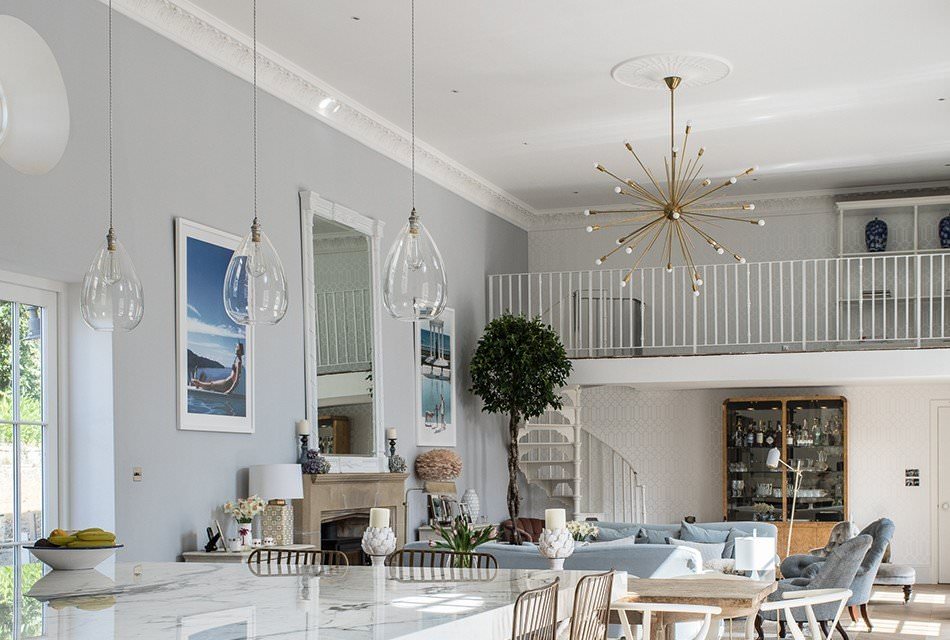 Perhaps the most informative way of relaying and interpreting the considerations of choosing lighting for a room is by way of a check list;
- Allow natural light to dictate offering artificial light a supporting role and layer it remembering the 4 different types of artificial light
- Establish the need for uniformity or definition
- Where possible lighting on a dimmable circuit is a must
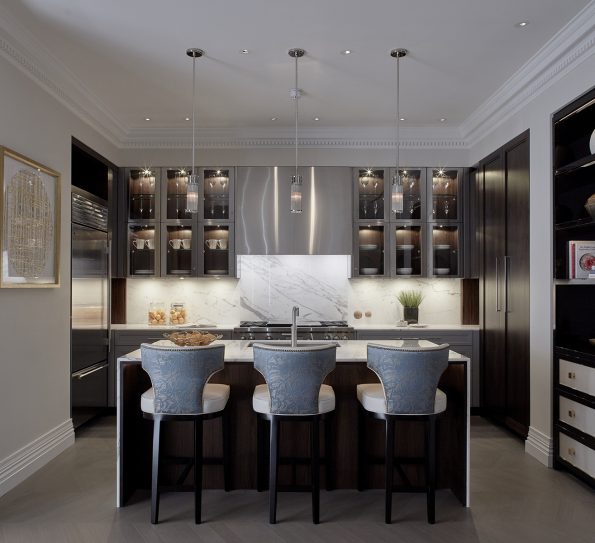

- Start with a furniture plan in reception rooms, add sockets accordingly in positions most desired for table lamps and be mindful when positioning ceiling lighting
- In larger, or open plan areas, should flooring allow, consider well placed sockets in the floor to allow furniture and table lamps flexibility, this will negate the only option of backing furniture up to the edges of the room losing the ‘waiting room’ effect.
- When contemplating recessed down lights perhaps consult a lighting designer or good electrician, to understand the output. reach/wash and beam angle of the proposed lamps at applicable task heights. Littering a ceiling with down lights is easy, overkill will only result in glare and replicate a ‘runway’ feel, these fitting are not decorative, they shouldn’t demand attention, their contribution is merely to make one aware that there is enough light coming from their direction.
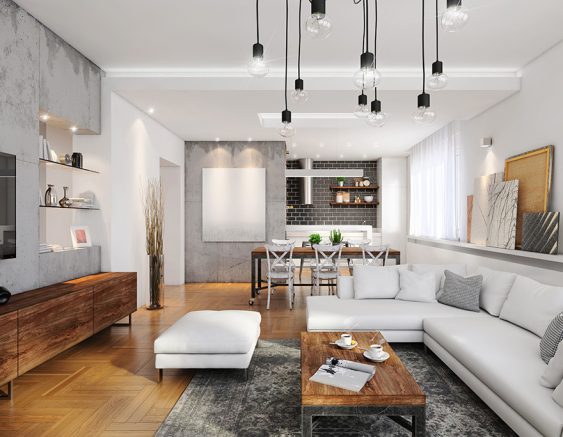

- Consider your circuits, whilst not wanting a huge bank of switches on the wall you may also not want all ceiling lights working in perfect synchronicity. This is particularly applicable in a kitchen/diner or open plan room where you may want bright light in a task area and low light in another
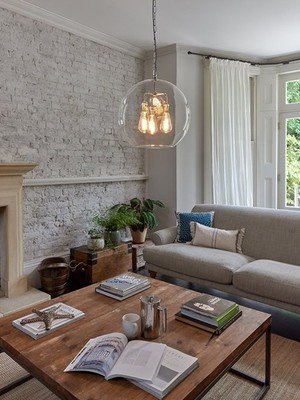
- Don’t feel obliged to include the good old fashioned pendant, certainly don’t just place it in the middle of the room out of habit when its only role will be to light a bare patch of floor. By all means embrace it for decorative purposes or give it the freedom to hang elsewhere such as grouped over an island or dining table, or solo dropped low over a coffee table. For an aesthetically pleasing and space saving solution in the bedroom try one dropped either side of the bed.
- A dark or industrial metal lamp shade will only throw light up and/or down, it wont create an ambient glow. A plaer shade will diffuse light softly in all directions
For further information and inspiration contact us for lighting plan and design advice info@jtiuk.com, 30 minutes free consultation when quoting Lighten Up.