
The vegan lifestyle is ever-growing with people choosing to cut out meat, dairy and other animal products from their diets. But, what about their homes?

Here’s how to give your home an eco-friendly and cruelty-free makeover…
You can still achieve the look you want by easily replacing leather, wool etc. with natural fabrics such as cotton and linen, Jute or bamboo silk – Options are endless and for a lot of products the plant-based or man-made alternatives to wool, leather, fur and silk are cheaper, and just as effective as the real thing.
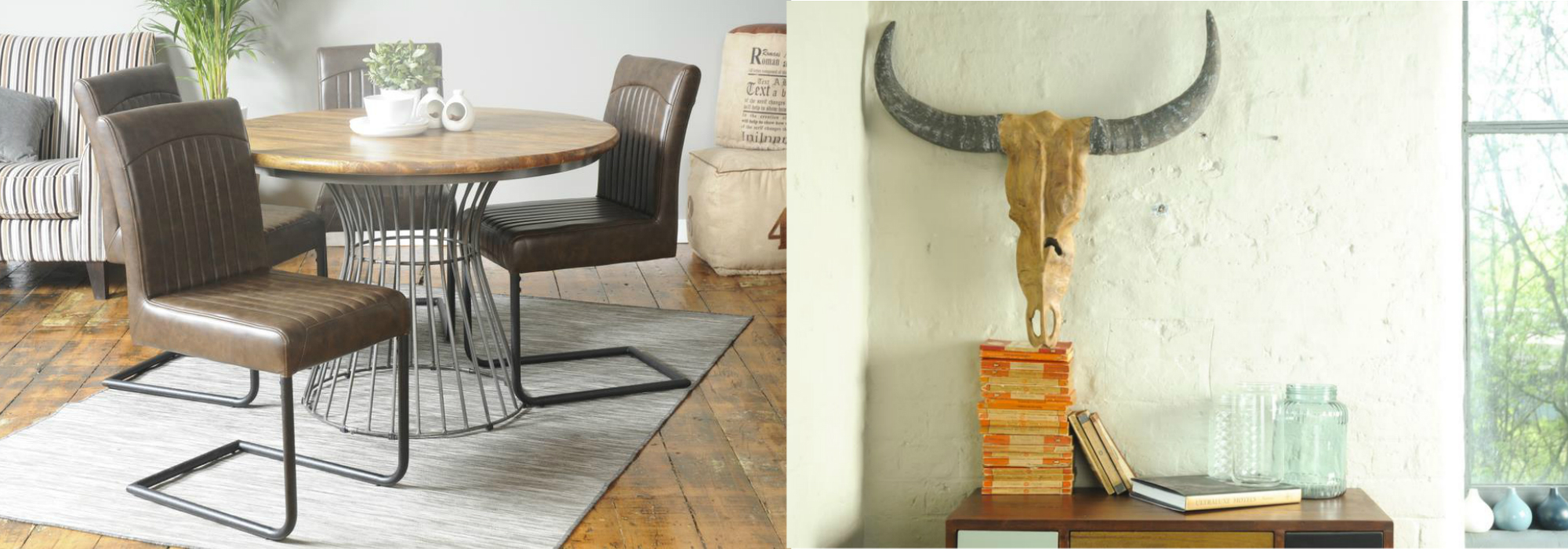
There are lots of materials commonly used in the manufacture of interior decoration that are not vegan. So, you do have to be careful when buying textiles, curtains, cushions, rugs, carpets, etc.
Many commercial paints and glues contain casein which is a protein derived from milk or can be tested on animals. However, a few brands do supply cruelty free and vegan paints such as Farrow and Ball, Auro and Earthborn.

Candles are a great way to add colour and cosiness to a room. However, most candles are not suitable for vegans as they usually contain a small amount of stearic acid (from animal fat) to harden the wax, and some premium candles are made from beeswax. Opt for a soy wax candle or a more ecofriendly alternative such as coconut wax which tends to have a longer and cleaner burn and comes from a sustainable, easily renewable crop.

Switch your down filled cushions, pillows and duvet with a Synthetic down alternative, made of puffs of polyester that provides a cooler sleeping experience than down, which traps and holds heat – it is also great for allergy sufferers!
Here is a list of a few materials that are vegan
• Cotton
• Microfiber (used a lot on durable sofas)
• Polyester
• Hemp
• Sisal
• Linen
• Down alternatives
Bamboo is one of the most sustainable and versatile materials on the planet. The bamboo plant can grow up to one meter a day and entirely regenerates after 5 years, the plant also absorbs CO2 four times faster than forests. Bamboo is a great, eco-friendly alternative to use within your home when trying to be more environmentally conscious as it can be used to make furniture, rugs, fabrics, textiles and more.
 Plastic can take between 400 and 1000 years to decompose which, less than 10% of plastics get recycled. While plastics are found everywhere in our modern lives, it is still possible to take positive steps to reduce plastic pollution. Recycled plastic can be made into a wide variety of things from tables and chairs to rugs, carpets and bedding.
